What to Expect During a Home Renovation: Windows, Doors & Wall Hacking Explained
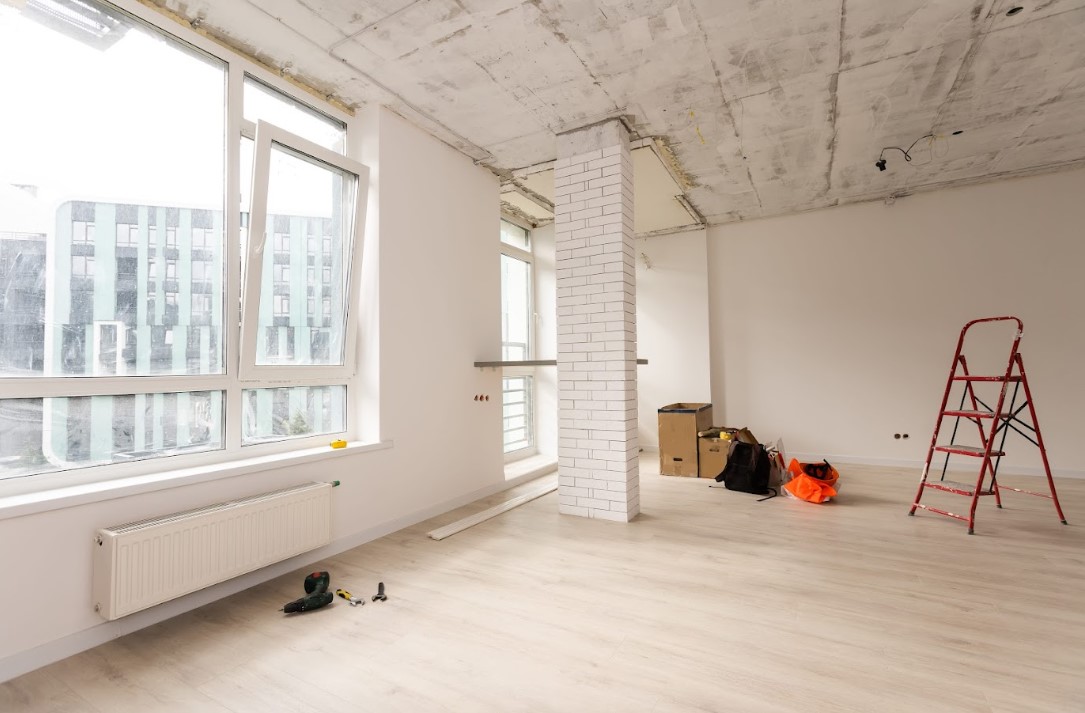
Before starting any renovation, it’s important to define the scope clearly. This includes whether you’re replacing windows, upgrading doors, or making layout changes such as opening up spaces. Planning everything together avoids conflicts later, especially when hacking and installation work need to align.
Budget and timeline should also be considered early. Costs are not just limited to materials and installation; hacking, disposal, and finishing works can add up. At the same time, fabrication of aluminium windows and doors takes time, so proper scheduling helps prevent delays.
When Wall Hacking Is Required
Wall hacking is necessary when changes go beyond simple replacements. It is typically required when you need to modify the structure or layout of your home.
Common scenarios include:
- Removing walls to create open-concept layouts
- Expanding spaces such as kitchens or living areas
- Modifying wall sections to fit new windows or doors
These works must be planned carefully, as they directly affect how the final installation will be carried out.
Safety and Regulations in Singapore
Renovation work in Singapore is regulated, especially when hacking is involved. Ignoring these requirements can lead to fines or unsafe conditions.
Approval requirements (HDB/condo guidelines)
For HDB flats renovation, approval is required before hacking works can begin. Condo management may also require submissions and permits depending on the scope of work.
Structural vs non-structural walls
Not all walls can be hacked. Structural walls (such as load-bearing walls) cannot be removed without proper engineering assessment and approval. Non-structural walls are typically safer to modify, but still require proper handling.
Importance of licensed contractors
Only approved or licensed contractors should carry out hacking works. This ensures the work complies with regulations and is done safely.
We always assess the site and advise on what is allowed before proceeding, so there are no compliance issues later on.
How Wall Hacking Impacts Window & Door Installation
Hacking and installation works are closely connected. Poor coordination between the two often leads to misalignment or rework.
Hacking may be required to create new openings or adjust existing ones so that new windows and doors can fit properly. Once hacking is complete, surfaces need to be levelled and prepared before installation begins. This step is important for proper sealing and long-term durability.
Installation Process for Windows & Doors
Once hacking and preparation are complete, the installation process follows a structured sequence.
Site measurement
Accurate measurements are taken after the hacking works are finalised. This ensures the new windows and doors are fabricated to fit the actual opening.
Custom fabrication
All aluminium components are fabricated based on site measurements. This includes frame sizing, glass fitting, and finishing.
Installation and sealing
The final step involves installing the units and sealing them properly to prevent water leaks, air gaps, or alignment issues.
Timeline of a Typical Renovation Project
The timeline can vary depending on the scope, but most projects follow a similar sequence.
- 1–3 days: This is where the hacking phase takes place. Simpler wall removals can be completed quickly, while more extensive layout changes may take slightly longer depending on the scope.
- 1–2 weeks: After hacking is completed and measurements are confirmed, aluminium windows and doors are fabricated. The lead time depends on the design, size, and level of customisation.
- 2–4 days: Installation is carried out once fabrication is ready. This includes fitting, alignment, and proper sealing, provided the site conditions are fully prepared.
Working with a Renovation Contractor
A well-managed project should cover everything from planning to execution. This includes assessing the site, coordinating hacking works, and ensuring windows and doors are fabricated and installed correctly.
One of the most common issues in renovation projects is poor coordination between hacking and installation. When these are handled separately, it often leads to delays or mismatched measurements.
We manage both processes together, ensuring everything is aligned from the start. This helps reduce downtime and avoids unnecessary rework.
Conclusion
Renovation projects that involve wall hacking and window or door installation require proper planning and coordination. Each stage affects the next, so getting the details right early makes a significant difference in the final outcome.
Working with a renovation contractor in Singapore, like Yi Fan Engineering, ensures compliance with regulations, accurate execution, and helps you avoid costly mistakes while ensuring your upgrades are built to last.
Plan your renovation with confidence!
If you’re planning to upgrade your windows, doors, or layout, it’s important to get the process right from the beginning.
Contact us today for a free on-site consultation and let us help you plan your renovation the right way.



Related Posts

Are Invisible Grilles HDB-Approved? A Complete Guide for Singapore Homeowners

How to Choose the Right BTO Windows: Types & Materials Guide
When Should You Replace Your Windows and Doors? Signs Singapore Homeowners Shouldn’t Ignore
Modern Window Grille Designs in Singapore That Balance Safety and Style
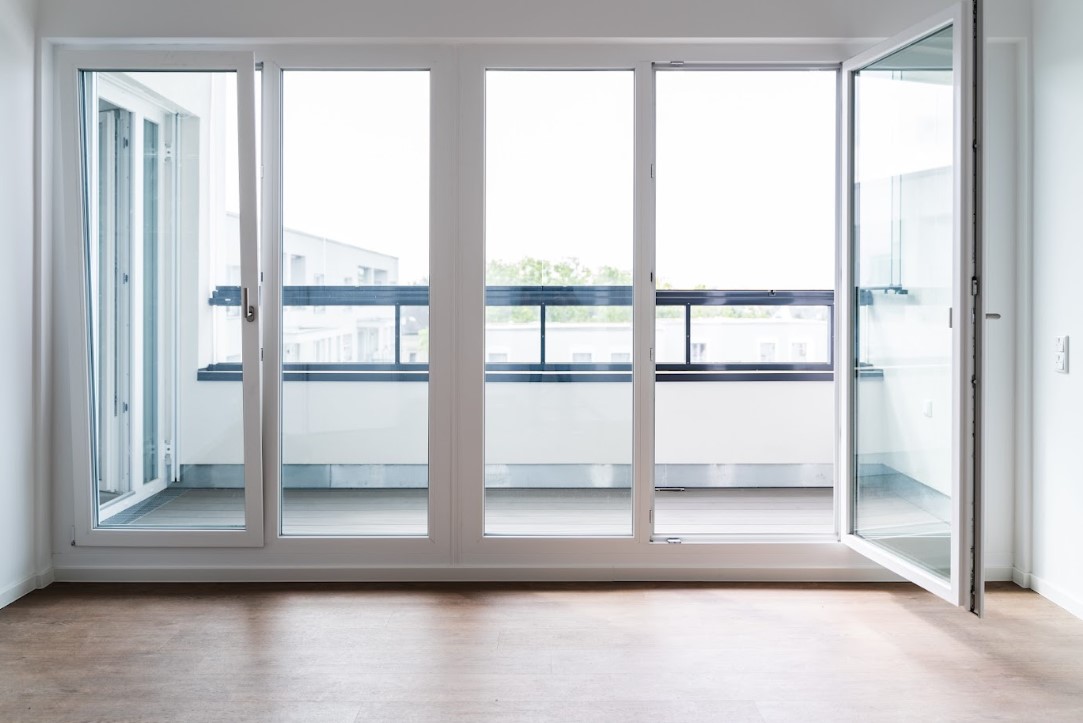
How Much Do Aluminium Windows & Doors Cost in Singapore? (2026 Price Guide)
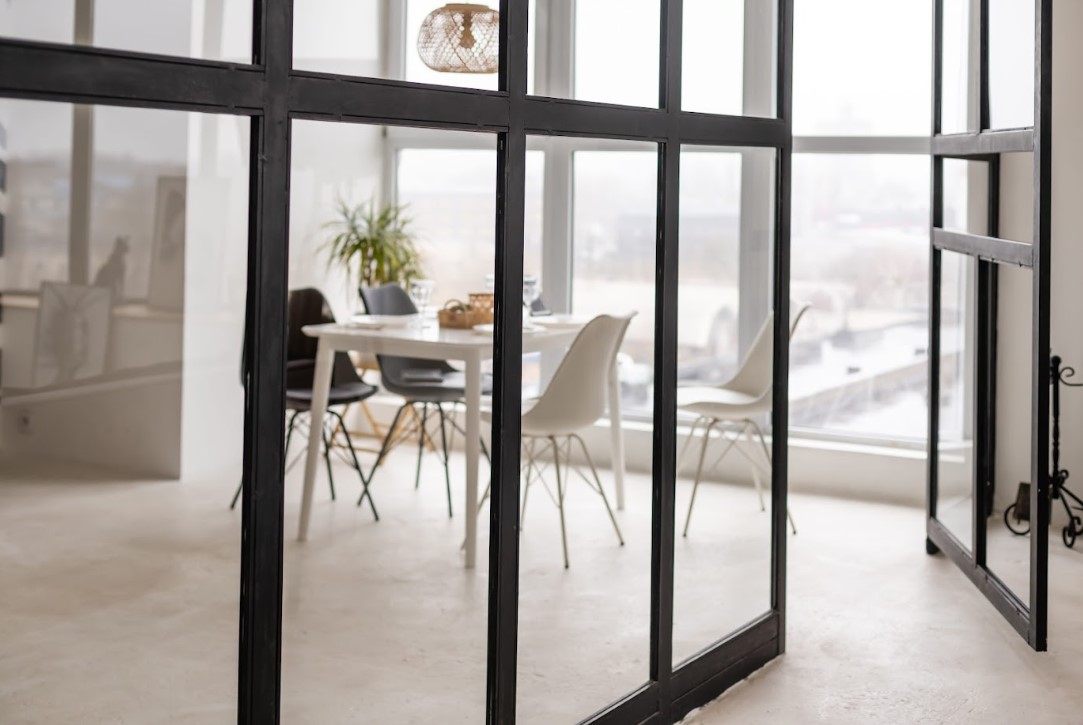
4 Best Aluminium Door Designs for Modern HDB & Condo Homes
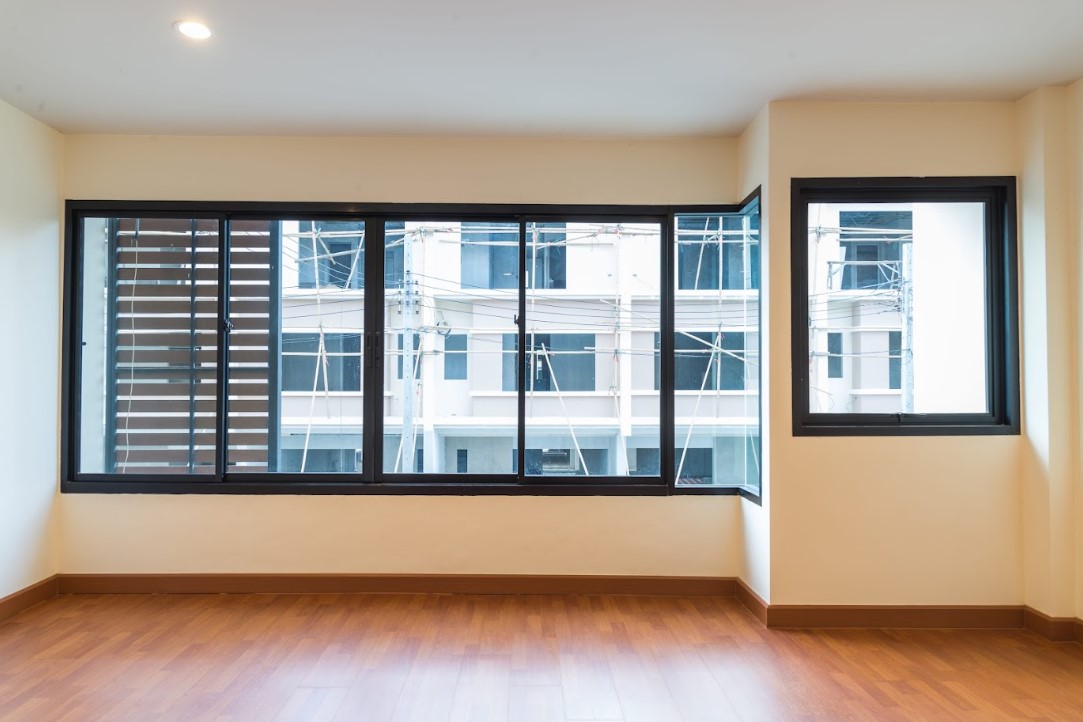
Aluminium vs uPVC Windows in Singapore: Which Is Better for Your Home?