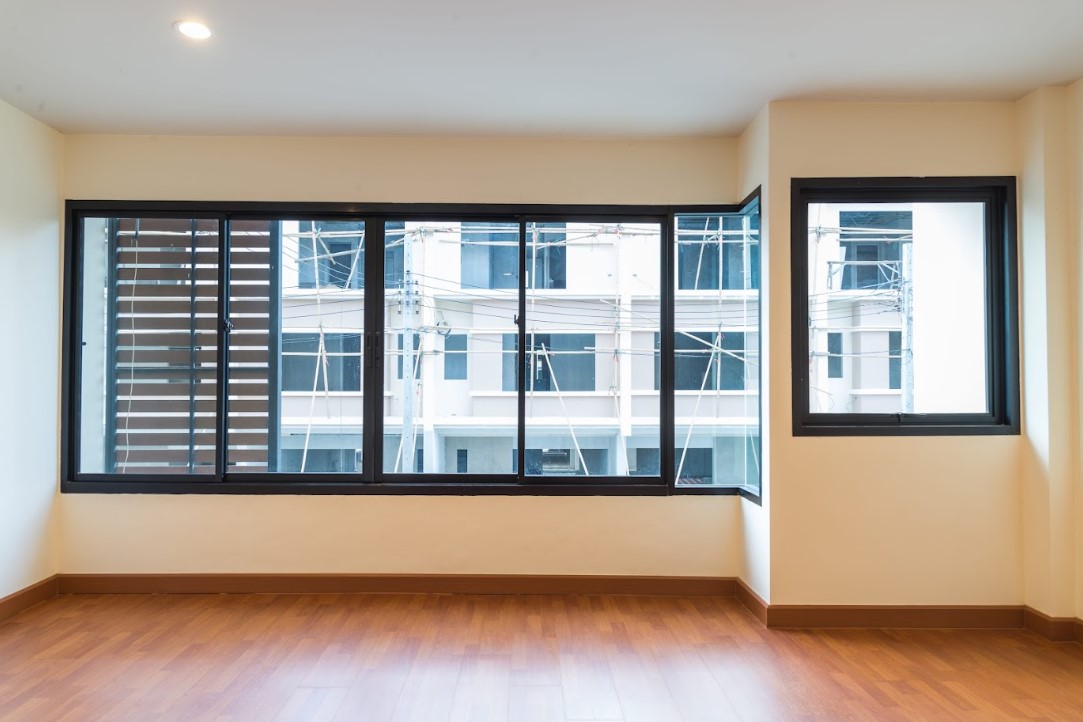
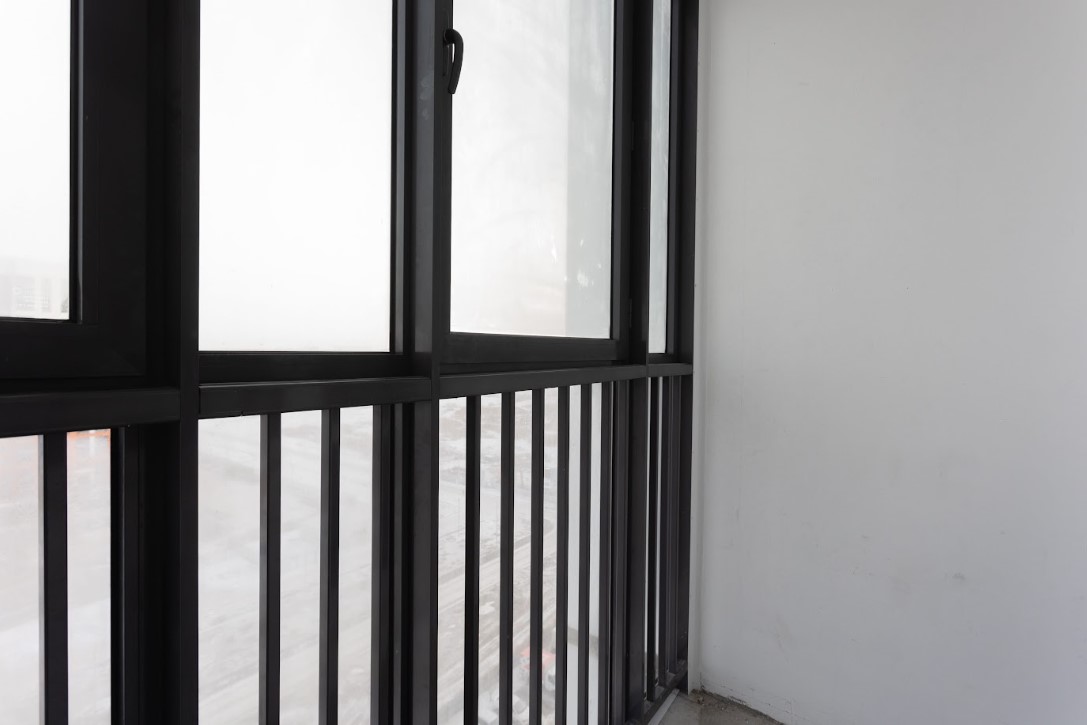
The Complete Guide to Aluminium Windows, Doors & Grilles in Singapore (2026 Buyer’s Guide)
Aluminium windows, doors & grilles in Singapore have become the standard choice for both HDB and condo homes, and for good reason. They offer a strong balance of durability, practicality, and cost-efficiency that suits the local climate and housing requirements.
To understand why aluminium is so widely used, it helps to look at its core properties:
- Lightweight – Easy to handle and install without compromising structural strength
- Corrosion resistance – Does not rust easily, making it suitable for humid environments
- Strength – Can support large panels while maintaining slim frames
- Conductivity – Transfers heat, but this is managed with design and glazing choices
- Versatility – Can be fabricated into various designs, finishes, and configurations
These characteristics make aluminium a reliable material for long-term residential use, especially in Singapore’s high-rise and high-humidity conditions.
Why Aluminium Is the Top Choice for Singapore Homes
Durability in a humid climate
Singapore’s weather is consistently hot and humid, with frequent rain. Materials that absorb moisture or expand under heat tend to degrade quickly over time.
Aluminium performs well because it does not warp, crack, or swell under these conditions. When properly coated, it also resists corrosion, making it suitable for both indoor and external-facing installations such as balconies and service yards.
This makes it a long-term solution rather than a short-term fix.
Low maintenance
Compared to other materials, aluminium requires minimal upkeep. It does not need repainting, sealing, or specialised treatments.
Routine cleaning is usually enough to maintain its condition. This is especially important for homeowners who want a practical solution without ongoing maintenance costs.
Modern aesthetic appeal
Aluminium allows for slimmer frames and larger glass panels. This creates a cleaner, more open look without bulky structures.
For modern HDB and condo layouts, this helps maximise natural light and improve ventilation without compromising structural strength.
Types of Aluminium Windows
Choosing the right window type affects ventilation, usability, and space efficiency. Each option serves a different purpose depending on layout and daily use.
- Sliding windows
Sliding windows operate on a track system and move horizontally. They are one of the most commonly used options in Singapore due to their practicality and ease of use.
They are ideal for:
- Compact spaces where outward opening is not practical – Since there is no swing clearance needed, they work well in tight layouts such as HDB bedrooms or kitchens
- Areas with furniture placed near the window – Beds, cabinets, or sinks can be positioned close without blocking the window operation
- Homes that prioritise simple, space-saving designs – The mechanism is straightforward, making it cost-effective and easy to maintain
Sliding windows are generally low maintenance, but the track system needs occasional cleaning to prevent dirt build-up that can affect smooth operation.
However, sliding windows only open partially, as one panel overlaps the other. This can limit airflow compared to full-opening designs, which may be a drawback in areas where ventilation is a priority.
- Casement windows
Casement windows open outward like a door and are hinged at the side. They are one of the most effective options for natural ventilation.
They offer:
- Better ventilation due to full opening – The entire panel opens, allowing maximum airflow into the room
- Strong sealing when closed – The compression seal reduces air leaks and improves insulation
- A simple and durable mechanism – Fewer moving parts compared to sliding systems, which reduces long-term maintenance issues
Casement windows are particularly effective in capturing wind and directing airflow into the home, which can help reduce reliance on air-conditioning during cooler periods.
They are commonly used in bedrooms and living areas where airflow is important. The main consideration is space; they require sufficient external clearance to open fully, which may not be suitable for all layouts or high-traffic external areas.
- Top-hung windows
Top-hung windows are hinged at the top and open outward from the bottom. They are designed to provide ventilation while offering protection from rain.
They are suitable for:
- Bathrooms – Helps remove humidity while maintaining privacy and preventing rainwater entry
- Kitchens – Allows heat and cooking fumes to escape without exposing the interior to weather
- Areas where ventilation is needed even during rain – The outward tilt acts as a shield against direct rainfall
This design allows air to circulate continuously, even during wet weather, which is especially useful in Singapore’s frequent rain conditions.
Top-hung windows are often used together with other window types to balance ventilation and usability across different parts of the home.
- Fixed panel windows
Fixed windows do not open and are used purely for light and visibility. They are a practical option when ventilation is not required.
They are typically installed:
- In combination with other window types – Often paired with casement or sliding panels to provide both light and airflow
- In areas where ventilation is not required – Such as staircases, corridors, or feature walls
Because they have no moving parts, fixed panels are highly durable and require almost no maintenance. They also allow for larger uninterrupted glass surfaces, which improve natural lighting and visibility.
Their main advantage is simplicity and cost-effectiveness, but they should not be used in spaces that require airflow, as they do not provide any ventilation.
Popular Aluminium Door Options
Aluminium doors are available in various configurations, each suited to different layouts and usage needs.
- Sliding doors
Sliding doors are widely used for balconies, bedrooms, and partitions due to their practicality and space efficiency.
They are practical because:
- They save space by eliminating swing clearance – Ideal for tighter layouts where a hinged door would block movement or furniture placement
- They are easy to operate – Smooth track systems make them suitable for daily use with minimal effort
- They work well for both small and large openings – From compact room dividers to full-height balcony access
Sliding doors are also a reliable choice for long-term use, as their mechanism is relatively simple and easy to maintain with regular track cleaning.
The trade-off is that they do not open fully, similar to sliding windows, since one panel overlaps the other. This may limit access width and airflow compared to other door types.
- Bi-fold doors
Aluminium bi-fold doors consist of multiple panels that fold and stack neatly to one side when opened.
They are ideal for:
- Kitchens and service yards – Allows you to fully open up the space for ventilation or close it off when needed
- Open-concept layouts – Create flexibility between connected areas such as living and dining spaces
- Areas where full access is needed – Maximises the usable opening without permanent obstructions
Bi-fold doors are useful when you want to switch between open and enclosed spaces depending on your needs.
They allow maximum opening, but involve more moving parts, such as hinges and rollers. This means proper alignment and installation are critical to ensure smooth operation and to avoid issues like misalignment or sticking over time.
- Slim-profile aluminium glass doors
Slim-profile glass doors feature narrow aluminium frames paired with large glass panels, creating a clean and modern look.
They are often used for:
- Living room partitions – Separate spaces without blocking light or visibility
- Balcony access – Maintains an open feel while still providing a functional barrier
- Modern interior layouts – Complement minimalist designs with slim, unobtrusive frames
Slim-profile doors are especially useful in smaller homes, as they help make spaces feel larger and less enclosed.
They create a clean, open look while maintaining separation between spaces, but privacy and heat exposure should be considered depending on the type of glass used (e.g. tinted or frosted options).
- Bathroom aluminium doors
Bathroom doors are designed to handle constant exposure to moisture, humidity, and daily use.
They typically use:
- Water-resistant panels – Prevent swelling, warping, or long-term damage from moisture
- Frosted or opaque finishes for privacy – Ensures visibility is blocked while still allowing light through
- Compact designs for smaller spaces – Suitable for typical HDB bathroom layouts where space is limited
Aluminium is particularly suitable here because it does not warp, rot, or absorb moisture like wood. This makes it a more durable and low-maintenance option for wet areas.
In addition, proper ventilation design and secure installation help prevent issues such as mould build-up or water seepage around the frame.
Aluminium Window Grilles: Meets Style
Window grilles are essential in many Singapore homes, especially in high-rise units. Aluminium window grilles offer a modern, durable, and low-maintenance solution that enhances both safety and aesthetics.
Safety benefits (kids, pets)
Grilles provide an added layer of protection, preventing accidental falls and improving overall home safety.
This is especially important for:
- Families with young children
- Homes with pets
- Units on higher floors
Proper spacing and secure installation are key to ensuring effectiveness.
Modern grille design options
Grilles are no longer limited to basic patterns. Modern designs include:
- Minimalist horizontal or vertical bars
- Slim-profile grilles
- Invisible grille systems
These options allow homeowners to maintain safety without making the space feel enclosed.
Customisation choices
Grilles can be customised based on:
- Pattern and spacing
- Colour and finish
- Fixed or openable designs
This flexibility ensures they match both functional and visual requirements.
Aluminium vs Other Materials (uPVC, Wood, Steel)
Choosing the right material affects durability, maintenance, and long-term cost.
| Material | Durability | Cost | Maintenance |
| Aluminium | High | Moderate | Low |
| uPVC | Moderate | Moderate to High | Low to Moderate |
| Wood | Low (in a humid climate) | Moderate to High | High |
| Steel | High (but prone to rust) | Moderate | High |
Aluminium offers the most balanced option for Singapore, combining durability with low maintenance and reasonable cost.
Cost Guide in Singapore (2026)
Windows price range
- Standard aluminium windows: $200 to $600 per panel
- Larger or customised designs: $600 to $1,200+ per set
Doors price range
- Hinged doors: $300 to $800
- Sliding doors: $700 to $1,500
- Bi-fold doors: $900 to $2,000+
Grilles pricing factors
- Typically $15 to $30 per square foot
- Depends on design, material thickness, and finishing
What affects cost
Pricing varies based on:
- Size of openings
- Design complexity
- Level of customisation
- Installation conditions
More complex designs and difficult site conditions will increase overall cost.
Customisation & Installation Process
Site measurement
Accurate measurement is taken on-site after confirming the layout and requirements. This ensures proper fit and avoids rework.
Fabrication
All aluminium components are custom-fabricated based on measurements. This includes frame construction, glass fitting, and finishing.
Installation timeline
Installation is carried out once fabrication is complete. Proper alignment and sealing are critical to ensure long-term performance.
What homeowners should expect
Homeowners should expect:
- Clear timeline and coordination
- Minimal disruption during installation
- Proper sealing and finishing
A well-managed process reduces delays and ensures consistent quality.
Repair vs Replacement: When Should You Upgrade?
Common signs of wear
- Difficulty opening or closing
- Visible rust or damage
- Air leaks or poor sealing
- Outdated or inefficient designs
Cost considerations
While repairs may seem cheaper, repeated fixes can add up over time. Replacement is often more cost-effective for ageing systems or structural issues.
Maintenance Tips for Long-Term Performance
Cleaning tips
Regular cleaning with mild soap and water helps maintain both the appearance and functionality of aluminium windows and doors. Dust, dirt, and debris can build up over time, especially along tracks and joints, affecting smooth operation.
It’s best to wipe down surfaces periodically and clear out tracks to prevent blockages. Avoid using harsh chemicals or abrasive materials, as these can damage the finish and reduce the lifespan of the frame.
Preventing corrosion
Although aluminium is naturally corrosion-resistant, it still benefits from basic care to maintain its condition over time. Keeping surfaces clean and dry helps prevent the build-up of dirt and moisture that can affect coatings or finishes.
In areas exposed to rain or humidity, occasional checks can help spot early signs of wear. Proper sealing during installation also plays a key role in preventing long-term issues.
When to call professionals
If you notice problems such as difficulty opening or closing, loose components, or gaps in sealing, it’s best to have them checked early. Small issues can worsen over time if left unattended, leading to higher repair costs or the need for full replacement.
Professional assessment ensures that the root cause is identified and fixed properly. In many cases, timely servicing can extend the lifespan of your windows and doors significantly.
Why Choose Yi Fan’s Aluminium Windows, Doors, & Grilles in Singapore
Choosing the right installation & renovation contractor is just as important as choosing the right material. We provide:
- Customised solutions – Made-to-measure designs tailored to your layout
- Factory-direct supply – No middlemen, better cost control, and faster turnaround
- Competitive pricing – Transparent quotes with no unnecessary markups
- End-to-end service – From measurement to fabrication and installation
Our focus is on delivering practical, durable solutions that work for real homes.
Conclusion
Aluminium windows, doors & grilles in Singapore offer a reliable and cost-effective solution for modern homes. With the right design, proper installation, and regular maintenance, they can provide long-term performance with minimal upkeep.
Understanding your options, from window types to door configurations and grille designs, helps you make informed decisions that suit your space and budget.
Upgrade your home with the right aluminium solutions!
If you’re planning to install or replace aluminium windows, doors, or grilles, getting the details right from the start makes all the difference.
We at Yi Fan Engineering handle everything from on-site measurement to fabrication and installation, ensuring each component fits properly and performs as expected.
Contact Yi Fan today for a free on-site consultation and let us help you find the right solution for your home.

Related Posts
Are Invisible Grilles HDB-Approved? A Complete Guide for Singapore Homeowners
How to Choose the Right BTO Windows: Types & Materials Guide
What to Expect During a Home Renovation: Windows, Doors & Wall Hacking Explained
When Should You Replace Your Windows and Doors? Signs Singapore Homeowners Shouldn’t Ignore
Modern Window Grille Designs in Singapore That Balance Safety and Style
How Much Do Aluminium Windows & Doors Cost in Singapore? (2026 Price Guide)
4 Best Aluminium Door Designs for Modern HDB & Condo Homes