How to Choose the Right BTO Windows: Types & Materials Guide
Windows play an important role in every home, influencing natural light, ventilation, energy efficiency, and overall aesthetics. Whether you’re planning a new home renovation or replacing aging windows, choosing the right window type and frame material can improve both the comfort and functionality of your living space.
If you’re moving into a new Build-To-Order (BTO) home, it’s worth understanding the different BTO window types and materials available before starting your renovation. While new BTO developments come with standard windows installed, many homeowners choose to upgrade or replace them to better suit their lifestyle, interior design preferences, and practical needs.
What Window Types Are Commonly Installed in New HDB Homes?
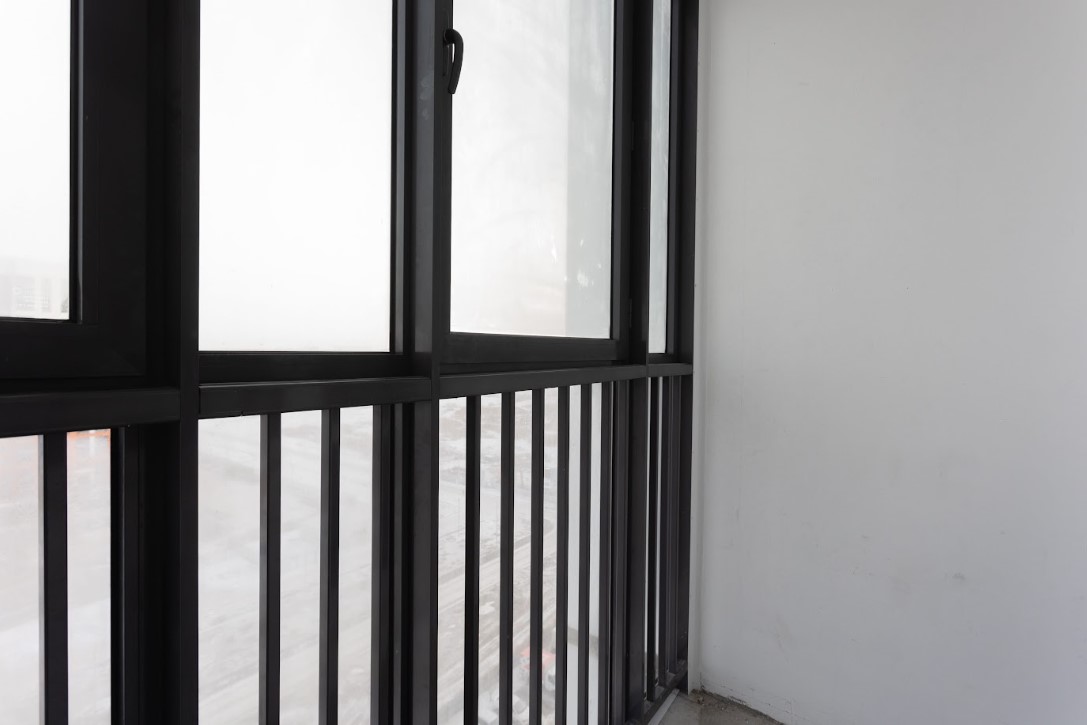
Most newly completed HDB developments are fitted with aluminium-framed windows because aluminium is lightweight, durable, and well suited to Singapore’s tropical climate. Depending on the room layout and development, you’ll commonly find sliding, casement, top-hung, or fixed windows.
If you’re planning to replace the original windows, it’s important to comply with HDB regulations. Window replacement works in HDB flats must be carried out by a BCA-approved window contractor listed with HDB, ensuring the installation meets the required safety standards.
Common Window Types for New Homes
Sliding Windows
Sliding windows open horizontally along a track, making them ideal for areas where space is limited. They are commonly installed in kitchens, service yards, and living areas because they do not require additional clearance to open. Sliding windows also offer good ventilation and are easy to operate.
Casement Windows
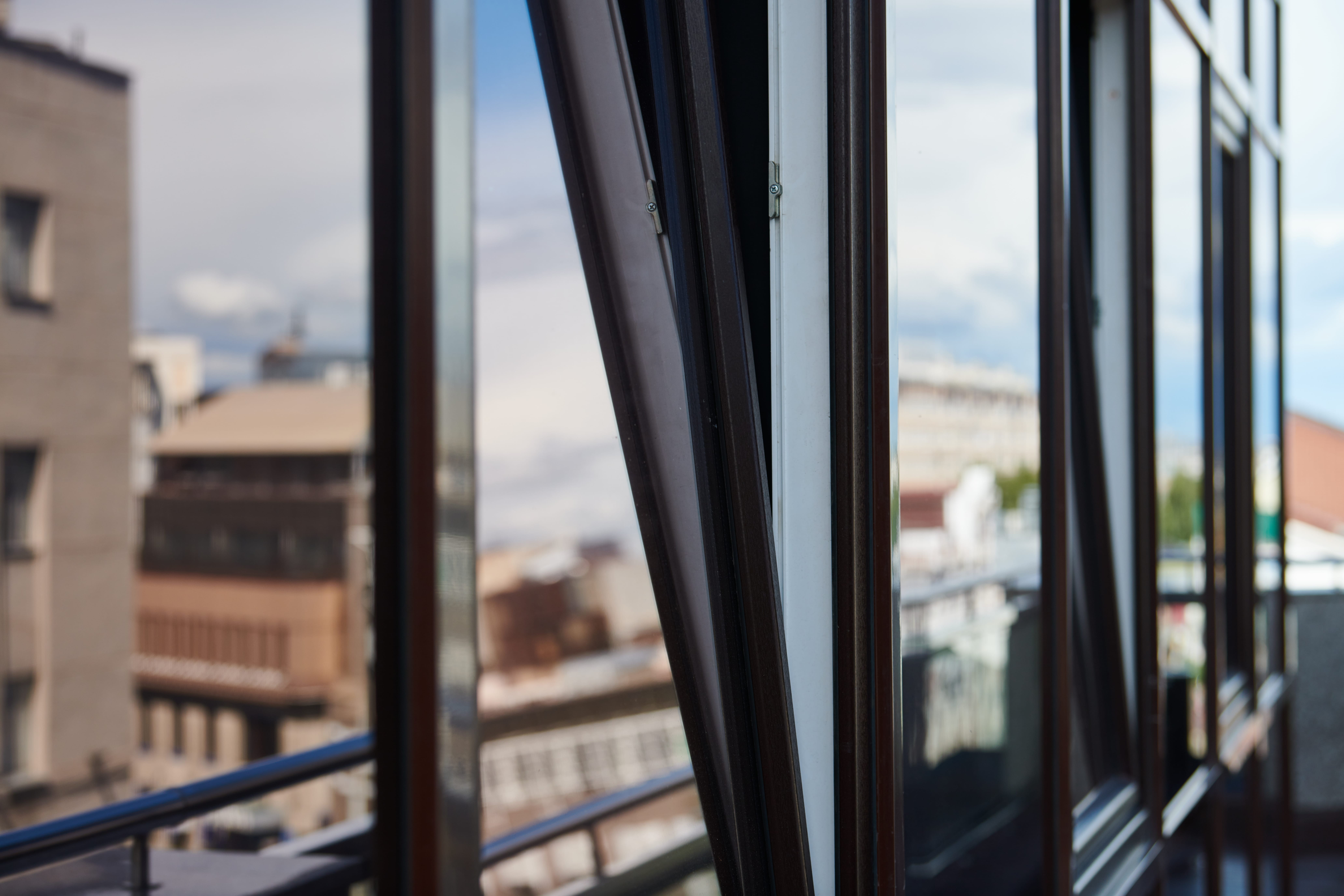
Casement windows are hinged at the side and swing outward or inward. They provide excellent airflow by allowing the entire window opening to be used for ventilation. When closed, they also create a tighter seal against wind and rain, making them a popular choice for bedrooms and living rooms.
Top-Hung Windows
Top-hung windows, also known as awning windows, are hinged at the top and open outward from the bottom. They allow fresh air to enter while offering some protection against light rain, making them suitable for bathrooms, kitchens, and utility areas.
Fixed Windows
Fixed windows cannot be opened but are designed to maximise natural light and provide unobstructed outdoor views. They are often paired with operable windows in living rooms or feature walls to create a brighter, more spacious interior.
Comparing Common Window Frame Materials
Aluminium
Aluminium is the most widely used window frame material in Singapore. It is resistant to rust and corrosion, requires minimal maintenance, and is available in a wide range of colours and finishes. Its durability and slim profile make it suitable for both contemporary and traditional homes.
uPVC
uPVC window frames offer good thermal and acoustic insulation while requiring very little maintenance. Although commonly used in some countries, they are less prevalent than aluminium in Singapore’s residential market.
Timber
Timber windows provide a timeless, natural appearance that complements classic interior designs. However, they require regular maintenance to protect against moisture, termites, and weathering, making them a less practical option for Singapore’s humid environment.
Steel
Steel window frames are valued for their strength and security. However, they are heavier than aluminium and require proper maintenance to minimise the risk of corrosion over time.
Why Aluminium Windows Are a Popular Choice
Aluminium remains the preferred window frame material for many homeowners because it offers an excellent balance of durability, functionality, and aesthetics.
Its corrosion-resistant properties make it ideal for Singapore’s humid climate, while its slim frames allow for larger glass panels that maximise natural light. Aluminium windows are also easy to maintain and available in various colours and finishes, making them suitable for HDB flats, condominiums, landed homes, and other residential properties.
Factors to Consider When Choosing Windows
Before selecting new windows, consider the following factors:
- Ventilation: Choose window styles that promote good airflow, particularly in bedrooms, kitchens, and bathrooms.
- Natural Light: Larger glass panels can brighten your home and create a greater sense of space.
- Safety: Ensure the windows comply with HDB regulations and local safety requirements where applicable.
- Maintenance: Materials such as aluminium require minimal upkeep and perform well in Singapore’s climate.
- Noise Reduction: If your home is located near busy roads or MRT lines, consider glazing options that help minimise external noise.
- Aesthetics: Select window styles and finishes that complement your home’s overall design.
- Budget: Compare different window types and materials to achieve the right balance between upfront cost and long-term value.
Can You Replace the Original Windows?
Yes. Many homeowners choose to replace the original windows after collecting the keys to their new home, whether to improve functionality, update the appearance, or better match their renovation plans.
For HDB flats, window replacement must comply with HDB renovation guidelines and be carried out by a BCA-approved window contractor listed with HDB. Hiring a qualified contractor helps ensure the installation is completed safely, professionally, and in accordance with regulatory requirements.
Choose Windows That Suit Your Home
The right windows can significantly improve your home’s comfort, ventilation, and overall appearance. By understanding the different window types and frame materials available, you can make a more informed decision that suits your lifestyle, budget, and design preferences.
Whether you’re renovating a newly completed HDB home, upgrading a resale flat, or replacing windows in a condominium or landed property, choosing high-quality products and professional window installation service will help ensure lasting performance and value for years to come.
Looking to upgrade your windows? Yi Fan Engineering provides custom aluminium window fabrication and professional installation for HDB flats, condominiums, landed homes, and commercial properties across Singapore. Contact us today to discuss your requirements or request a no-obligation quotation for your window installation project.
Frequently Asked Questions About BTO Windows
What type of windows are commonly installed in BTO flats?
Most new BTO flats in Singapore are fitted with aluminium-framed windows due to their durability, corrosion resistance, and low maintenance requirements. Common window styles include sliding, casement, top-hung, and fixed windows, depending on the room layout and HDB development.
Are aluminium windows better than uPVC windows?
Both materials have their advantages, but aluminium windows are generally the preferred choice in Singapore. They are highly durable, resistant to rust and corrosion, require minimal maintenance, and perform well in Singapore’s hot and humid climate. uPVC offers good thermal insulation but is less commonly used for residential properties in Singapore.
Can I replace the original windows in my BTO flat?
Yes. Many homeowners replace their original windows during renovation to improve aesthetics, ventilation, or functionality. However, all window replacement works in HDB flats must comply with HDB regulations and be carried out by a BCA-approved window contractor listed with HDB.
Which window type provides the best ventilation?
Casement windows generally provide the best ventilation because the entire window opening allows more fresh air to enter the room. Top-hung windows also offer good airflow while providing some protection from light rain, making them suitable for kitchens and bathrooms.
How long do aluminium windows last?
High-quality aluminium windows can last 20 to 30 years or more with proper installation and regular maintenance. Their resistance to rust, corrosion, and weather exposure makes them a durable long-term investment for residential properties.
What should I consider before choosing new windows?
When selecting new windows, consider factors such as ventilation, natural lighting, maintenance requirements, safety, noise reduction, budget, and how well the window style complements your home’s overall design. Choosing the right frame material and engaging an experienced installer are equally important for long-term performance.


Related Posts
Are Invisible Grilles HDB-Approved? A Complete Guide for Singapore Homeowners
What to Expect During a Home Renovation: Windows, Doors & Wall Hacking Explained
When Should You Replace Your Windows and Doors? Signs Singapore Homeowners Shouldn’t Ignore
Modern Window Grille Designs in Singapore That Balance Safety and Style
How Much Do Aluminium Windows & Doors Cost in Singapore? (2026 Price Guide)
4 Best Aluminium Door Designs for Modern HDB & Condo Homes
Aluminium vs uPVC Windows in Singapore: Which Is Better for Your Home?